As the baby product market continues to grow, now is a great time to start dropshipping baby products. For people looking to tap into the world of ecommerce, dropshipping baby products presents an attractive opportunity. It allows you to sell products without the need to handle inventory or shipping yourself, making it a flexible option for starting an ecommerce business.
However, to dropship baby products successfully in 2026, sellers need more than cute products and fast ads. Parents often compare safety details, gift buyers need clear product information, and import or compliance requirements can affect individual SKUs. Therefore, choosing the right products and working with trustworthy suppliers are important parts of building a sustainable baby products dropshipping business.
In this blog post, we’ve carefully curated a list of 25 best baby products for dropshipping, along with practical sourcing considerations to help you evaluate each product. We’ll also cover key compliance checkpoints, marketing strategies, and fulfillment planning, followed by a list of top dropshipping suppliers in the baby product niche. Whether you’re researching your first baby product or looking to scale an existing store, this guide can help you build a safer and more practical baby products dropshipping strategy. Now, let’s get started.
Key Takeaways
- Safety & Compliance First: Dropshipping baby products requires strict compliance, including Children’s Product Certificates (CPC), CPSC-accepted testing, lead/phthalate limits, and food-contact documentation.
- High-LTV Market Opportunity: The baby care market is fueled by repeat replenishment, gifting milestones, and nursery upgrades, making product bundling and lifecycle marketing highly lucrative.
- Conservative, Trust-Driven Copy: Avoid exaggerated medical or safety promises (e.g., SIDS prevention, FDA approved); transparent specs and usage guidance build higher buyer confidence.
- Dependable Fulfillment: Transparent parcel tracking, fast 24–48 hour dispatch, and quality pre-shipment checks protect seller reputation and minimize customer disputes.
Table of Contents
- Is Dropshipping Baby Products Profitable in 2026?
- How to Dropship Baby Products Safely
- Top 25 Baby Products Dropshipping in 2026
- Dropshipping Strategies for Baby Products
- Top Baby Dropshipping Suppliers
- Tips for Baby Products Dropshipping Success
- Baby Products Fulfillment and Scaling with EPROLO
- Conclusion
- FAQs
Is Dropshipping Baby Products Profitable in 2026?
Yes, Baby products can be attractive for dropshipping because the category is driven by repeat needs, gifting moments, nursery preparation, seasonal clothing, and problem-solving purchases. New parents may buy feeding tools, daily care items, sleepwear, travel gear, and replacement accessories within a relatively short period. This creates opportunities to build product collections, bundles, and lifecycle email flows rather than relying on a single product. Once customers trust a store, related products and repeat purchases can create additional revenue opportunities.
Market data supports the broad opportunity, but it should be read carefully. Mordor Intelligence, a third-party research provider, estimates the global baby care products market at USD 177.68 billion in 2026 and USD 225.69 billion by 2031, with a 4.90% CAGR. Category definitions vary by research source, so this figure should be treated as directional market context rather than a guarantee of demand or profitability for any individual dropshipping store.
Profit potential depends on more than market size. Product selection, return prevention, supplier documentation, freight weight, customer support, and advertising costs can all affect the final margin. Lower-priced accessories may work better when bundled to increase order value, while larger products can support higher order values but may create greater shipping and return challenges when size, compatibility, or assembly expectations are unclear. Sellers should therefore evaluate the total cost of selling each SKU rather than looking at the product price alone.
For 2026, a practical product research approach is to prioritize items with clear use cases, easy-to-understand specifications, manageable shipping requirements, and documentation that matches the exact SKU. Sellers should also consider competition and product-safety requirements before listing. Avoid products or marketing claims that imply medical benefits, infant sleep safety outcomes, or complete hazard prevention unless you have appropriate supporting evidence. In this niche, clear and conservative product information can help build the trust parents expect when shopping for baby products.
How to Dropship Baby Products Safely
Safety starts with defining the market you will sell into. In the United States, the CPSC Children’s Product Certificate page explains that children’s products primarily intended for children age 12 or younger and subject to CPSC rules generally require CPSC-accepted third-party testing and a Children’s Product Certificate issued by the importer or domestic manufacturer. The certificate must match the actual SKU you sell, not just a similar catalog image.
That matters for dropshippers because supplier screenshots are not enough. Before listing a regulated item, request product-specific test reports, a CPC where applicable, tracking label information, material details, and current packaging photos. If a supplier cannot connect documents to the precise model, colorway, component set, and batch identifiers, treat the product as unresolved. Sellers should also monitor CPSC communications about certificate eFiling. A conservative planning note is that businesses should prepare for the July 8, 2026 eFiling transition timeline and confirm details directly with official CPSC guidance.
Several CPSC principles recur across baby products. Lead limits, phthalates restrictions, small parts rules, and tracking label requirements can apply depending on product type, materials, and intended age. Do not rely on a generic phrase such as compliant or safe for baby. Ask what rule was tested, which lab performed the test, which standard or regulation was referenced, and whether the report covers painted surfaces, plastics, textiles, fasteners, batteries, or detachable accessories.
Sleep products deserve special caution. The CPSC Safe Sleep for Babies Act business guidance states that crib bumpers and infant inclined sleepers over 10 degrees intended for infant sleep are banned for U.S. commerce and import. Product pages should avoid claims such as prevents SIDS, guarantees sleep, or makes sleep risk free. A sleep sack or swaddle can be sold as wearable bedding only when sizing, tog or warmth guidance, fabric information, closure construction, and warning language are handled carefully.
Feeding products need a separate documentation mindset. Silicone bibs, bowls, spoons, bottles, food trays, teethers, and similar items may involve food-contact materials. Sellers should request food-contact documentation, material declarations, migration or composition reports where relevant, and market-specific labeling information. Avoid broad FDA approved claims unless you have precise documentation and legal review supporting the exact statement. It is safer to say what documentation you have reviewed and what material the supplier declares.
High-risk products in this guide are marked clearly because they require tighter review before listing. Thermometers, sleep sacks or swaddles, smart monitors, bath tubs, safety gates, high chairs, baby carriers, Christmas pajamas, electrical warmers, humidifiers, and white noise machines can create higher compliance, injury, electrical, fit, or expectation risks. These products are not automatically off limits, but they should not be treated like simple decor or gift items.
Top 25 Baby Products Dropshipping in 2026
| Product | Buyer intent | Risk level | Primary sourcing check | Best angle |
|---|---|---|---|---|
| Baby Bottles | Daily feeding and registry basics | Medium | Food-contact materials, nipple details, parts list | Clear feeding essential set |
| Portable Bottle Warmer | On-the-go feeding convenience | High risk | Electrical, battery, temperature, and bottle compatibility docs | Travel use with cautious heat claims |
| Baby Bibs | Mess control and gift bundles | Medium | Material, closure, and cleaning details | Easy cleanup multipacks |
| Teething Toys | Soothing accessory shopping | Medium to High | Material, small parts, and age grading review | Texture and grip variety |
| Baby Food Feeder | First-food exploration | Medium to High | Food-contact materials, mesh or silicone integrity, small parts | Controlled snack introduction support |
| Baby Thermometers | Temperature reading for home care | High risk | Device type, instructions, batteries, and claim limits | Clear readings without diagnosis claims |
| Suction Bowls | Mealtime mess reduction | Medium | Food-contact materials, suction performance, surface guidance | Starter feeding bundle |
| Tummy Time Mat | Play and development routine shopping | Medium | Textile, foam, detachable toy, and cleaning details | Supervised floor-time setup |
| Diaper Caddy | Changing station organization | Low to Medium | Fabric, stitching, divider, and handle strength | Nursery organization gift |
| Baby Sleep Sack | Wearable bedding and bedtime routine | High risk | Sizing, fabric, zipper, warmth guidance, and sleep warnings | Wearable bedding clarity |
| Swaddle Blanket | Newborn gifting and routine support | High risk | Textile labels, dimensions, and warning language | Giftable patterns with cautious use copy |
| White Noise Machine | Nursery routine accessory | High risk | Electrical, battery, volume, and instruction details | Routine support, no sleep guarantee |
| Smart Baby Monitor | Remote nursery visibility | High risk | Electronics, privacy, app support, and claim limits | Visibility, not medical monitoring |
| Wipe Warmer | Changing table comfort accessory | High risk | Electrical, heat control, moisture, and cleaning instructions | Comfort feature with maintenance clarity |
| Baby Bath Tub | Bath routine setup | High risk | Stability, materials, warnings, and age or weight guidance | Supervised bath setup |
| Baby Safety Gate | Room boundaries and home preparation | High risk | Width range, mounting hardware, instructions, and warnings | Fit-specific boundary planning |
| Baby High Chair | Mealtime seating | High risk | Stability, restraints, assembly, dimensions, and cleaning | Specification-rich feeding seat |
| Nursery Humidifier | Room comfort planning | High risk | Electrical, water-contact materials, cleaning, and plug details | Comfort, not medical benefit |
| Baby Carriers | Hands-free carrying | High risk | Weight range, buckles, seams, instructions, and warnings | Fit-guided carrying |
| Diaper Bag | Outing organization and gifting | Low to Medium | Zippers, fabric, lining, pocket size, and capacity photos | Hands-free parent organization |
| Stroller Organizer | Stroller storage for errands | Low to Medium | Compatibility, strap strength, dimensions, and load guidance | Parent convenience |
| Stroller Footmuff | Cold-weather stroller outings | Medium to High | Textiles, stroller compatibility, fasteners, and harness warnings | Winter outing accessory |
| Baby Halloween Costume | Seasonal photos and gifting | Medium | Textile labels, small parts, size chart, and delivery timing | Photo-ready seasonal outfit |
| Baby Christmas Pajamas | Holiday photos and matching sets | High risk | Sleepwear flammability, labeling, sizing, and delivery cutoffs | Seasonal apparel with strict sizing |
| Baby Snowsuit | Winter warmth and gifting | Medium to High | Textiles, insulation, fasteners, size chart, and care labels | Cold-weather outerwear clarity |
Feeding & Daily Care
1. Baby Bottles
Baby bottles are a daily-care essential for many households, registries, and gift bundles. Buyers compare nipple flow, bottle capacity, grip shape, cleaning access, and compatibility with existing feeding routines, so product pages should use clear parts photos and plain feature explanations. A strong marketing angle is a practical feeding set for home, daycare bags, or baby shower gifting.
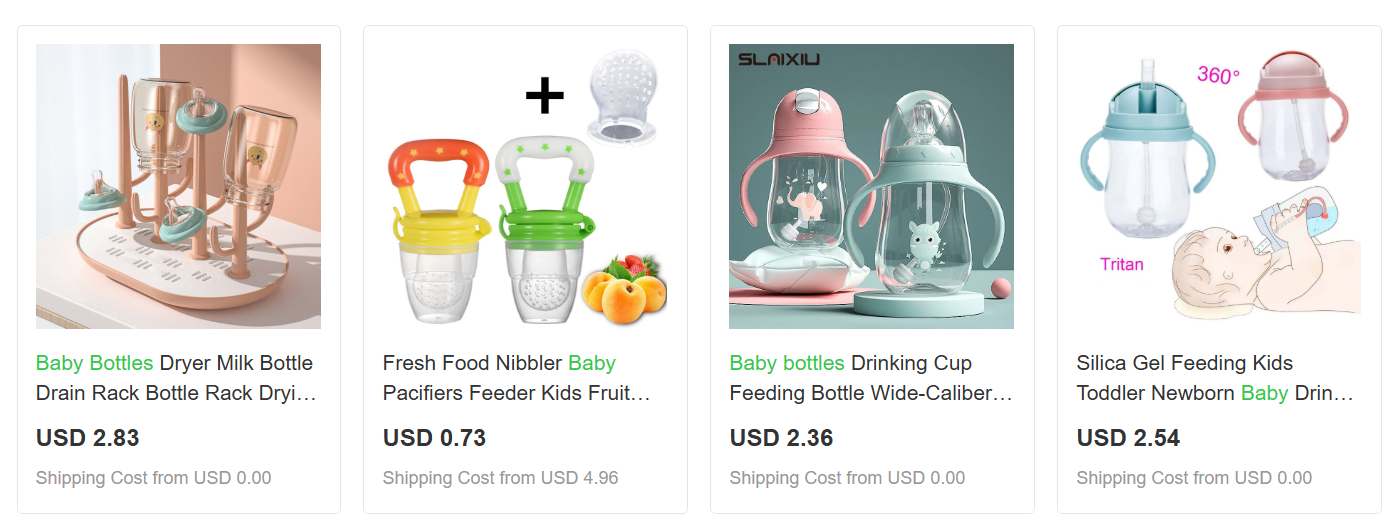
Request food-contact material documentation, nipple material details, age or flow guidance, replacement-part information, and packaging photos for the exact SKU. Common return causes include leakage, confusing nipple flow, difficult cleaning, odor, and incompatibility with warmers or sterilizing routines. The primary safety check is food-contact documentation for every part that touches milk or formula, plus small-parts and choking-hazard review.
2. Portable Bottle Warmer
Portable bottle warmers draw interest from parents managing outings, daycare handoffs, travel days, and night feeds away from the kitchen. This is a high-risk electrical and heat product, so marketing should focus on compatible bottle sizes, charging method, warming settings, and caregiver convenience rather than perfect temperature promises. Demonstrations should show setup and use limits in a calm, practical way.
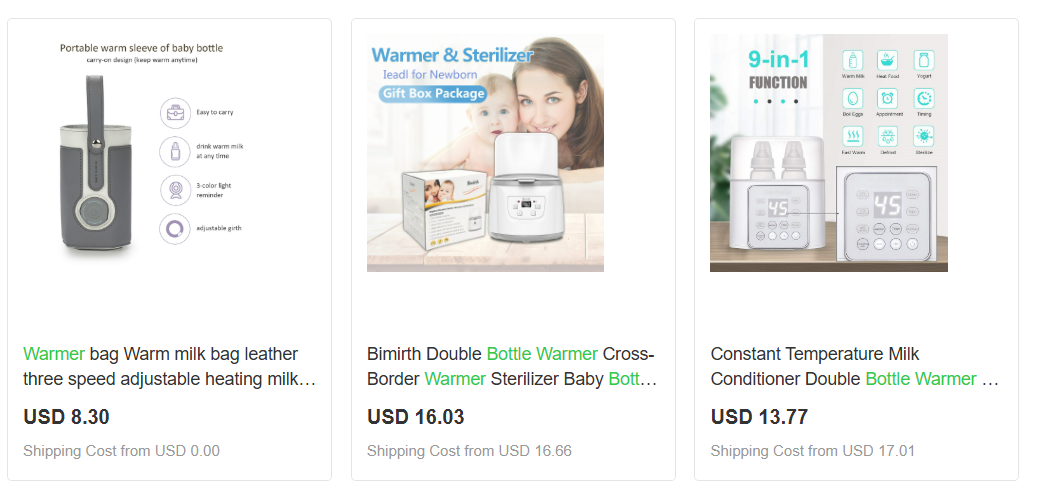
Ask suppliers for electrical documentation, battery details, plug or cable specifications, temperature-control information, instructions, and bottle-compatibility measurements. Returns often come from slow warming, short battery life, incompatible bottles, leaking adapters, or unrealistic expectations about heating speed. The primary safety check is heat control and electrical documentation for the exact model, with warnings against unattended use and unsupported claims about evenly warming milk.
3. Baby Bibs
Baby bibs fit everyday feeding, drooling, and gift-bundle demand because they solve a visible mess problem. They are easy to show in color sets, multipacks, and cleanup-focused content, especially when paired with baby bottles, suction bowls, or baby food feeders. The best marketing angle is simple care, comfortable fit, and clear coverage for supervised mealtimes.
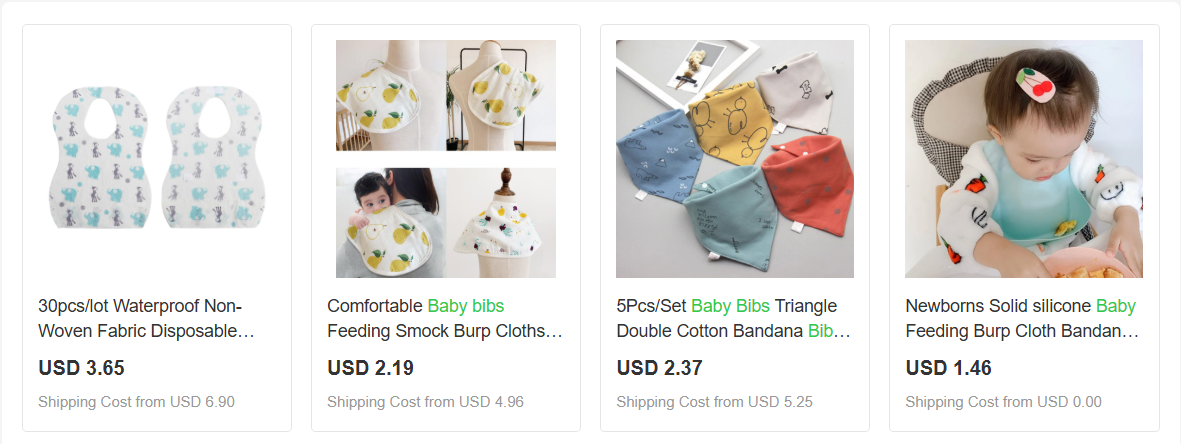
Source bibs with material documentation, closure details, washing instructions, color samples, and measurements around the neck and chest. Returns commonly involve stiffness, odor, shrinkage, color mismatch, weak snaps, or sizing complaints. The primary safety check is material and closure review, including small parts, detachable components, and honest cleaning claims that match supplier documentation.
4. Teething Toys
Teething toys are searched by parents looking for supervised chewing and sensory play accessories during a common baby stage. They can be marketed through texture variety, grip-friendly shapes, color sets, and easy-clean routines, without suggesting medical relief or guaranteed soothing. This item works well as a small add-on in feeding and daily-care bundles.
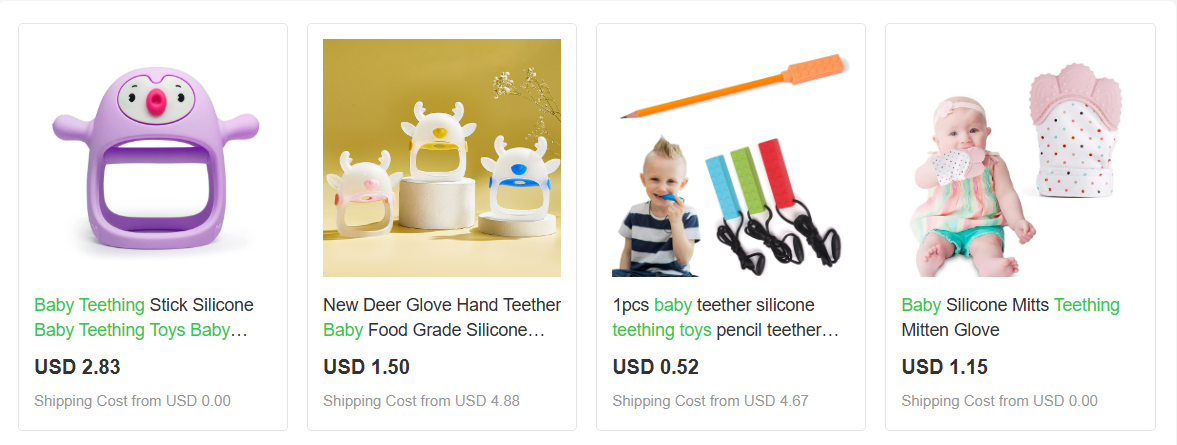
Request material declarations, age grading, cleaning instructions, small-parts testing where applicable, and photos showing seams, holes, and detachable pieces. Returns often come from odor, surface defects, items being too hard or too soft, and color or size differences. The primary safety check is material suitability and small-parts review, with conservative copy that avoids claims about treating pain or preventing choking.
5. Baby Food Feeder
Baby food feeders appeal to caregivers introducing soft foods under supervision and looking for a controlled, easy-to-hold accessory. They can be positioned around first-food routines, snack preparation, and mess reduction, but not around nutrition outcomes or medical benefits. Clear photos of the feeder head, handle, cap, and cleaning process help shoppers understand the product before buying.
Ask for food-contact documentation, material details for silicone or mesh parts, cap fit information, small-parts review, and cleaning or replacement guidance. Common returns include staining, trapped food, difficult cleaning, weak latches, and confusion about feeder size. The primary safety check is food-contact documentation and component security, with warnings that the product requires caregiver supervision and age-appropriate food preparation.
6. Baby Thermometers
Baby thermometers are high-risk because shoppers connect them with health decisions and caregiver anxiety. Demand is steady because many households want a temperature-reading tool in the nursery or diaper bag, but copy must stay conservative. Position the product as a home temperature-reading device with clear instructions, not as a diagnostic tool or substitute for medical advice.
Before listing, confirm the thermometer type, instructions, battery details, display units, accuracy statements supported by documentation, and market-specific device requirements. Returns commonly involve perceived inaccuracy, difficult setup, dead batteries, confusing mode changes, or unclear instructions. The primary safety check is claim control and documentation for the exact model, avoiding statements that it detects illness, treats fever, or provides medical-grade diagnosis unless legally reviewed.
7. Suction Bowls
Suction bowls attract buyers who want less mealtime mess during supervised feeding. They fit naturally with baby bibs, baby food feeders, and baby bottles in starter feeding bundles. Marketing should focus on bowl capacity, lid or utensil compatibility if included, suitable surfaces, and easy cleaning rather than claiming the bowl cannot be moved by any child.
Request food-contact documentation, suction-base material details, cleaning instructions, capacity measurements, and guidance on surfaces where suction performs best. Returns often come from weak suction, unexpected size, odor, staining, or incompatibility with textured tables. The primary safety check is food-contact documentation and truthful suction claims, plus small-parts review for lids, tabs, or accessories.
8. Tummy Time Mat
Tummy time mats sell to parents building a supervised floor-time routine and to gift buyers who want a useful nursery item. Pages can highlight washable surfaces, padding, foldability, mirror or toy features, and room-friendly designs. Use conservative developmental language, such as supports supervised floor play, instead of promising milestones or outcomes.
Source with textile or foam material details, detachable-toy information, age guidance, cleaning instructions, and packaging photos. Returns usually come from thin padding, strong odor, small mat size, color mismatch, or toys that detach too easily. The primary safety check is small-parts, seam, and material review, with clear reminders that the mat is for supervised awake time only.
9. Diaper Caddy
Diaper caddies appeal to parents organizing changing stations, nursery carts, car supplies, and grandparents’ homes. They are low-to-medium risk compared with direct-use gear and can be marketed around compartments, portability, neutral colors, and baby shower gifting. Lifestyle photos should show realistic storage for diapers, wipes, creams, bottles, and small daily-care items.
Ask suppliers for fabric composition, stitching details, divider construction, handle strength information, dimensions, and packed-capacity photos. Returns commonly involve flimsy walls, weak handles, inaccurate colors, smaller-than-expected compartments, or fabric odor. The primary safety check is construction integrity and avoiding claims that the caddy keeps hazardous products safe from children.
Sleep & Soothing
10. Baby Sleep Sack
Baby sleep sacks are high-risk sleep-related products that can still attract buyers seeking wearable bedding for bedtime routines. Marketing should emphasize size selection, fabric, zipper placement, warmth guidance, and caregiver review of fit, not longer sleep or risk reduction. Gift buyers also need clear seasonal guidance so they choose an appropriate weight and size.
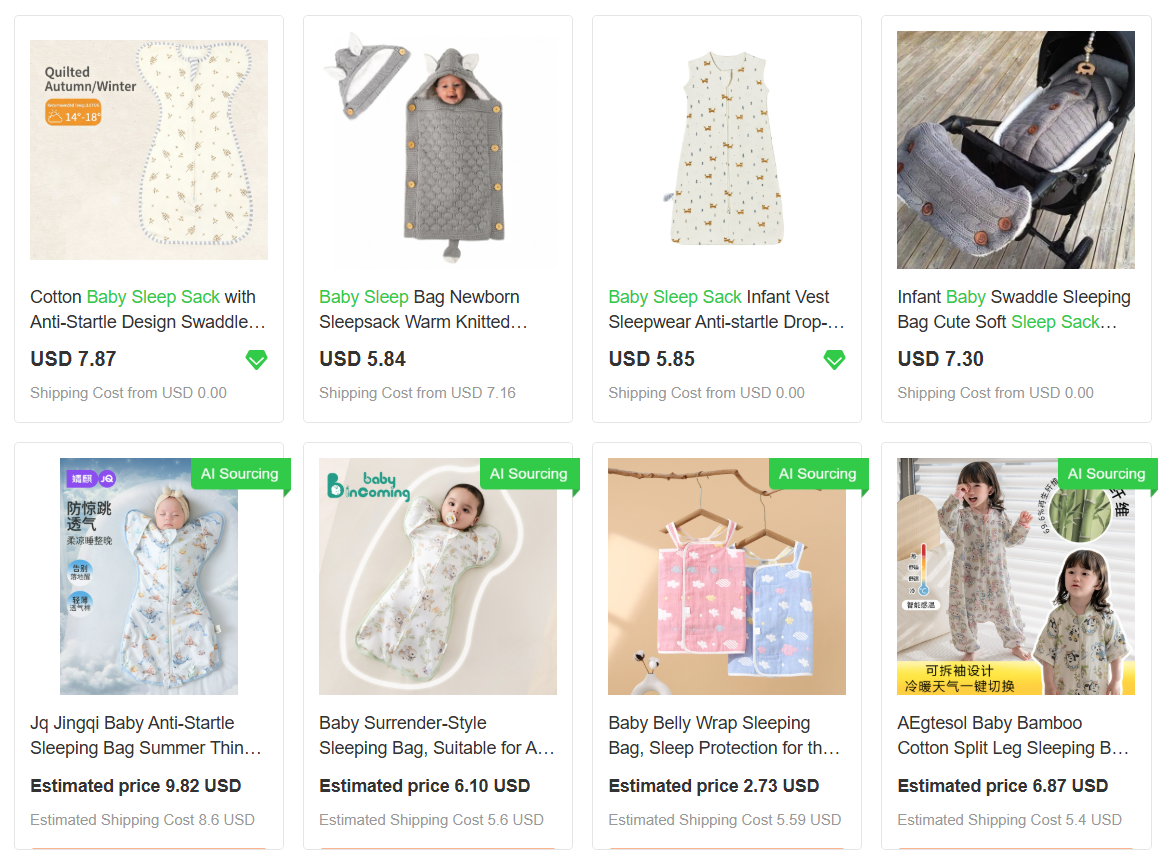
Request product-specific children’s product documentation, textile labels, zipper details, tog or warmth descriptions if used, sizing charts, and warning language. Returns often come from wrong size, zipper irritation, fabric weight mismatch, shrinkage, or seasonal warmth expectations. The primary safety check is sleep-safety copy review and documentation for the exact SKU, with no claims about preventing SIDS, preventing rolling, or guaranteeing sleep.
11. Swaddle Blanket
Swaddle blankets are popular registry and newborn gifts because they photograph well and can be used in several supervised daily routines. They can be promoted through prints, fabric feel, dimensions, and multipack gifting, while avoiding broad claims that swaddling is right for every infant. Content should explain the product clearly without implying a loose blanket is a safe sleep solution.
Swaddle blankets are high-risk when marketed for infant sleep, so request textile documentation, fiber content, care labels, dimensions, color samples, and appropriate warning language. Returns commonly involve thin fabric, rough feel, shrinkage, print differences, or sizing confusion. The primary safety check is textile labeling and conservative usage copy that does not claim the blanket prevents hazards or guarantees calm sleep.
12. White Noise Machine
White noise machines are high-risk electrical nursery accessories because they involve sound level, batteries, charging, and sleep-related expectations. They can be marketed as tools that support a consistent room routine for naps, travel, or shared spaces, but not as products that make a baby sleep through the night. Clear controls, sound options, timer settings, and power details help buyers compare models.
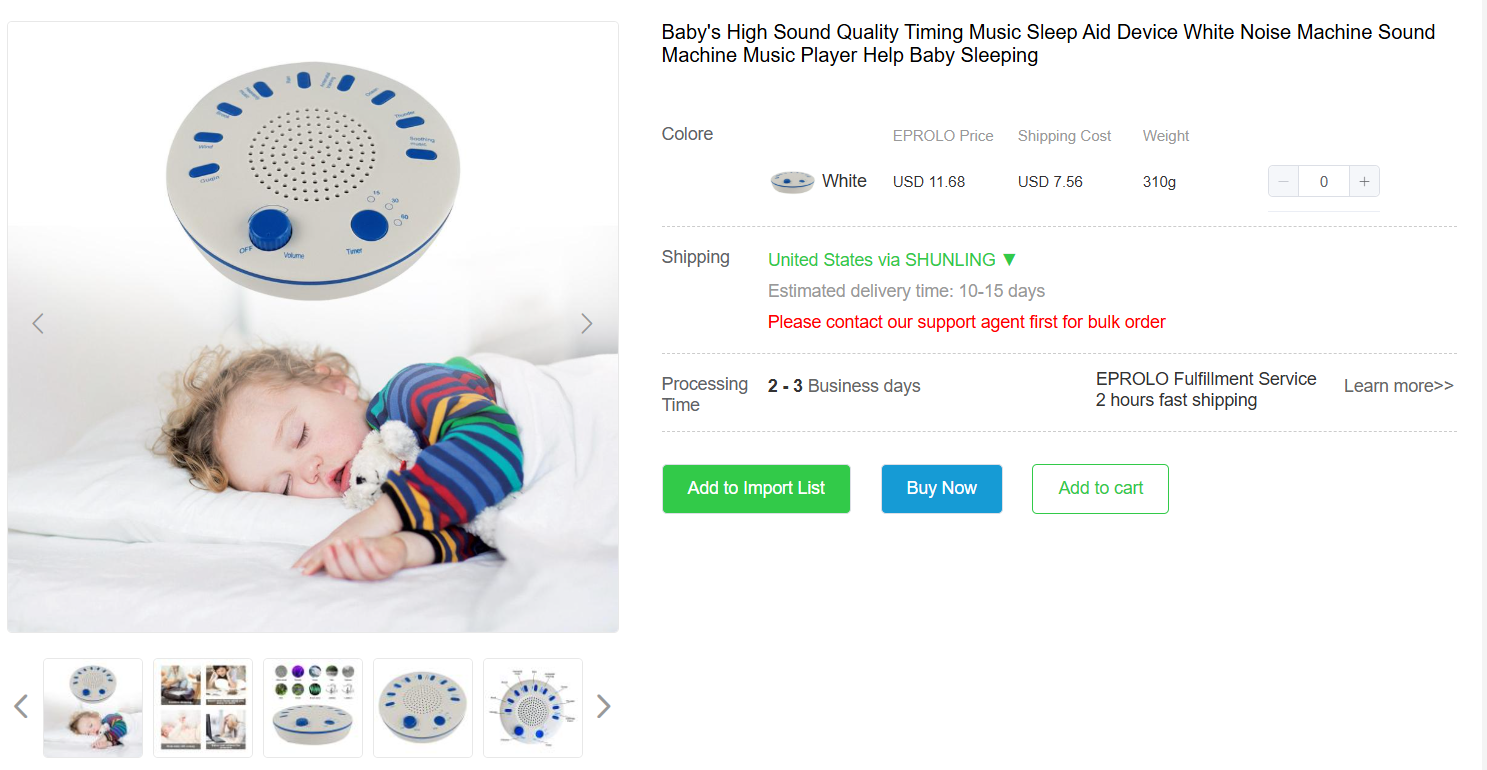
Request electrical documentation, battery or plug details, charging-cable specifications, instruction manuals, volume information when available, and warranty support terms. Returns often stem from volume expectations, short battery duration, confusing controls, app issues, or unwanted sounds. The primary safety check is electrical safety and cautious sound-use instructions, with copy that avoids sleep guarantees or medical claims.
13. Smart Baby Monitor
Smart baby monitors are high-risk because they combine electronics, connectivity, privacy expectations, and parent concern. Demand comes from caregivers wanting remote nursery visibility, alerts, night view, and app access, so product pages should explain range, camera features, storage options, and support limits. Position the device as a visibility aid, not as medical monitoring or a replacement for supervision.
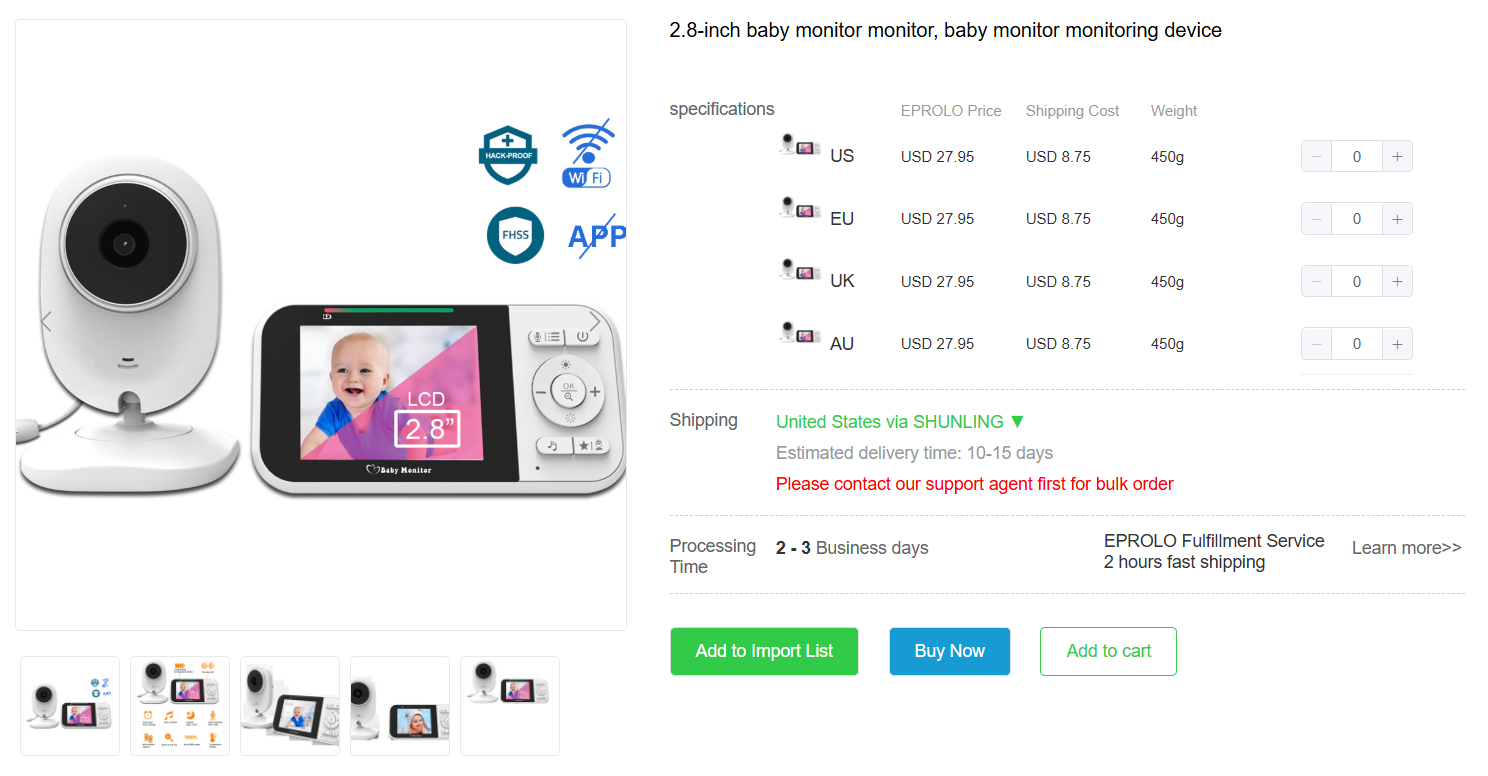
Check electrical documentation, wireless details, app support, privacy-policy availability, firmware practices, plug type, instructions, and warranty process. Returns can result from unstable apps, poor range, difficult pairing, unclear subscriptions, or buyers expecting medical-grade alerts. The primary safety check is electronics compliance, data transparency, and claim control, especially avoiding promises that the monitor prevents injury or sleep-related harm.
14. Wipe Warmer
Wipe warmers are high-risk electrical changing-table accessories that appeal to buyers seeking added comfort during diaper changes. They are best marketed around capacity, lid design, moisture management, temperature settings, and cleaning access. Keep the angle practical and modest, because the product is a convenience accessory rather than a required baby-care item.
Ask for electrical documentation, heating-control information, plug details, water or moisture guidance, cleaning instructions, and packaging warnings. Returns commonly involve dried wipes, overheating concerns, leaks, odor, limited capacity, or confusion about compatible wipe packs. The primary safety check is electrical and heat-control documentation, with clear instructions for maintenance and supervised caregiver use.
Home Safety & Bath
15. Baby Bath Tub
Baby bath tubs are high-risk products because bath time requires constant caregiver supervision and stability expectations are strict. They attract buyers preparing a newborn routine, small bathroom setup, or grandparent home, especially when pages show dimensions, drain placement, storage features, and age or weight guidance. Marketing should focus on a supervised bath setup, not safety without attention.
Request material information, stability details, warning labels, instructions, weight or age guidance, and current packaging photos. Returns often involve wrong size, wobble, drain leaks, difficult storage, or unclear fit for the baby’s stage. The primary safety check is stability and warning-language review, with no suggestion that the tub allows unattended bathing or prevents drowning.
16. Baby Safety Gate
Baby safety gates are high-risk home-safety products because they depend on correct measurement, installation, wall type, and caregiver use. Buyers want room boundaries around stairs, kitchens, pets, and play areas, so product pages need width range, mounting type, latch details, extension options, and installation photos. Use fit-specific planning language rather than calling any gate universally childproof.
Ask suppliers for product-specific documentation, installation manuals, hardware details, warnings, width limits, and packaging photos. Returns are common when buyers mismeasure doorways, choose the wrong mounting style, or dislike latch operation. The primary safety check is hardware, fit, and instruction accuracy, with conservative copy that says helps limit access when properly installed instead of guarantees safety.
17. Baby High Chair
Baby high chairs are high-risk because they support a child during feeding and involve stability, restraints, assembly, and cleaning. Demand comes from parents preparing mealtime routines and small homes looking for compact or easy-clean designs. Product pages should be specification rich, showing dimensions, tray features, restraint use, folded size if applicable, and realistic cleaning photos.
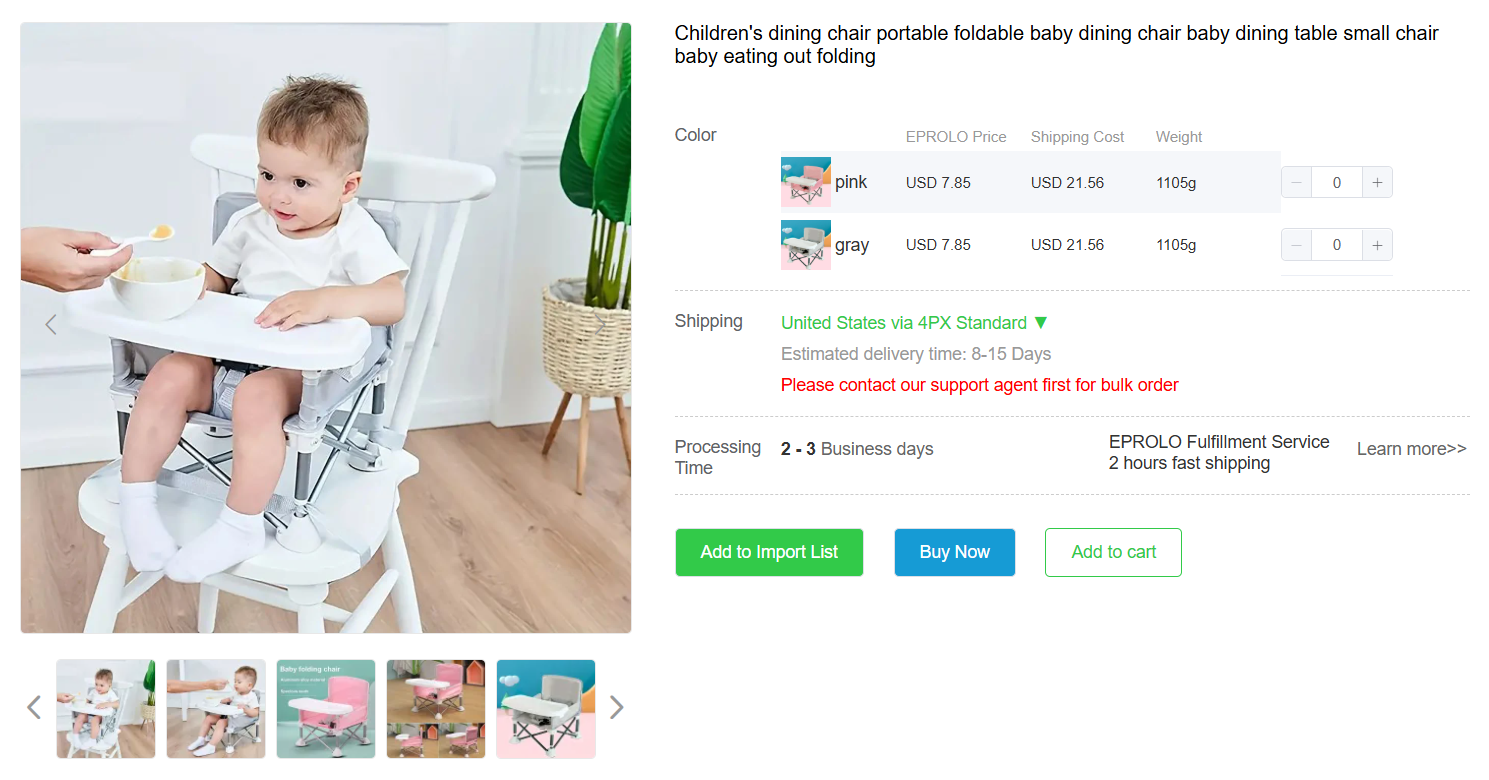
Request product-specific compliance documents, assembly manuals, restraint details, stability information, weight guidance, material details, and replacement-part policy. Returns often come from wobble, difficult cleaning, missing hardware, unclear size, or complicated assembly. The primary safety check is stability, restraints, and correct assembly instructions, with no lifestyle imagery showing unsafe use or missing restraints.
18. Nursery Humidifier
Nursery humidifiers are high-risk electrical products that appeal to parents planning room comfort, especially in dry or cold seasons. Marketing should highlight tank capacity, cleaning access, filter requirements if any, mist settings, noise information, and room-use basics. Avoid health promises and keep copy focused on comfort and maintenance transparency.
Ask for electrical documentation, plug details, water-contact material information, cleaning instructions, tank photos, and packaging warnings. Returns commonly stem from leaks, mineral buildup, noise, difficult cleaning, short runtime, or maintenance surprises. The primary safety check is electrical safety and cleaning guidance, with no claims that the humidifier treats congestion, kills germs, sterilizes air, or provides medical benefits.
Travel & Stroller Gear
19. Baby Carriers
Baby carriers are high-risk products because they involve load-bearing fabric, buckles, seams, weight range, and caregiver positioning. They sell because parents want hands-free carrying for errands, travel, and daily routines, but shoppers need clear fit guidance before buying. Marketing should focus on supported use instructions, adjustability, and realistic carrying scenarios, not unsupported ergonomic or medical claims.
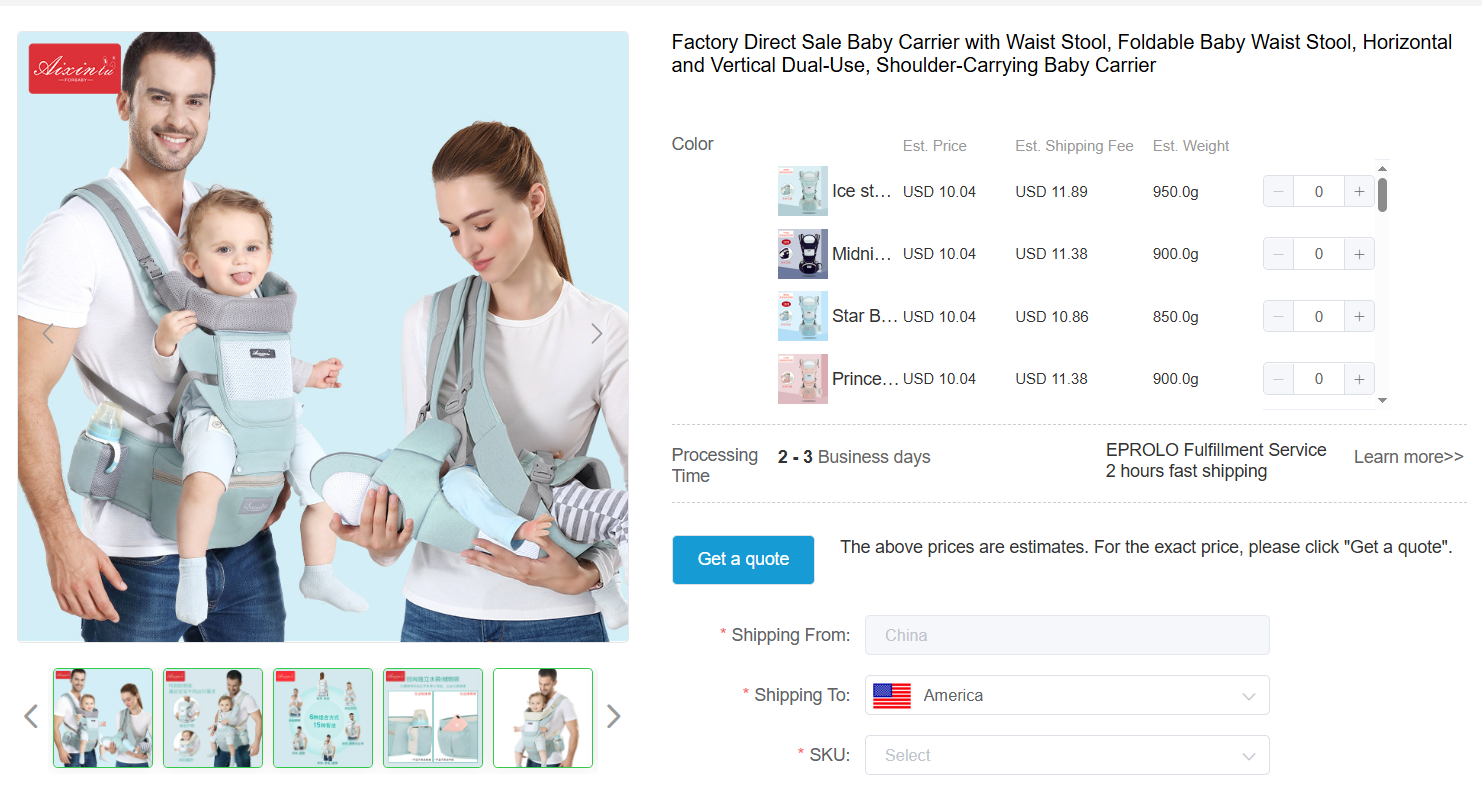
Request product-specific documents, weight guidance, buckle and seam details, instruction manuals, adjustment diagrams, and packaging warnings. Returns may come from poor fit, confusing straps, discomfort, difficult adjustment, or mismatch with the caregiver’s body type. The primary safety check is load-bearing construction and instruction accuracy, with no implication that one carrier fits every baby or caregiver.
20. Diaper Bag
Diaper bags appeal to parents, grandparents, and gift buyers because they organize outings, daycare drop-offs, travel, and stroller walks. They can be marketed through pocket layout, neutral styling, changing-pad inclusion if applicable, insulated sections, and packing checklist content. The best angle is parent organization and convenience rather than any safety or temperature-control promise.
Check zippers, stitching, fabric descriptions, lining material, pocket measurements, capacity photos, strap construction, and color accuracy. Returns commonly come from unrealistic size expectations, zipper failures, weak seams, unpleasant odor, or colors that differ from photos. The primary safety check is construction quality and avoiding claims about keeping milk or food at safe temperatures unless the exact feature is tested and documented.
21. Stroller Organizer
Stroller organizers sell to caregivers who want bottles, phones, keys, wipes, and snacks within reach during errands and walks. They work well in travel bundles with diaper bags and stroller footmuffs when compatibility is clear. Marketing should show strap placement, cup holder size, pocket layout, and everyday convenience without encouraging overloaded stroller handles.
Source with strap-strength details, measurements, fabric information, cup-holder dimensions, compatibility notes, and load guidance. Returns usually happen when the organizer does not fit a buyer’s handlebar, sags under weight, or interferes with folding. The primary safety check is honest load and compatibility guidance, with clear warnings not to affect stroller balance or operation.
22. Stroller Footmuff
Stroller footmuffs attract cold-weather shoppers who want a warmer stroller outing setup for errands, walks, and travel. They can be marketed through stroller compatibility, harness openings, fabric layers, washing instructions, and seasonal color options. This product works best with clear climate and fit guidance rather than claims that it suits every stroller or temperature.
Request textile documentation, fastener details, insulation descriptions, dimensions, harness-opening photos, stroller compatibility guidance, and care labels. Returns often involve fit problems, incorrect warmth expectations, difficult cleaning, or zipper issues. The primary safety check is compatibility with the stroller harness system and warnings against unsafe positioning or use outside supplier instructions.
Holiday & Winter Apparel
23. Baby Halloween Costume
Baby Halloween costumes are seasonal, photo-driven products for parties, family pictures, and gifting. Buyers care about size charts, delivery cutoffs, fabric feel, easy diaper access, and whether accessories are included. Marketing should emphasize cute, supervised, photo-ready use while avoiding small detachable decorations and uncomfortable designs.
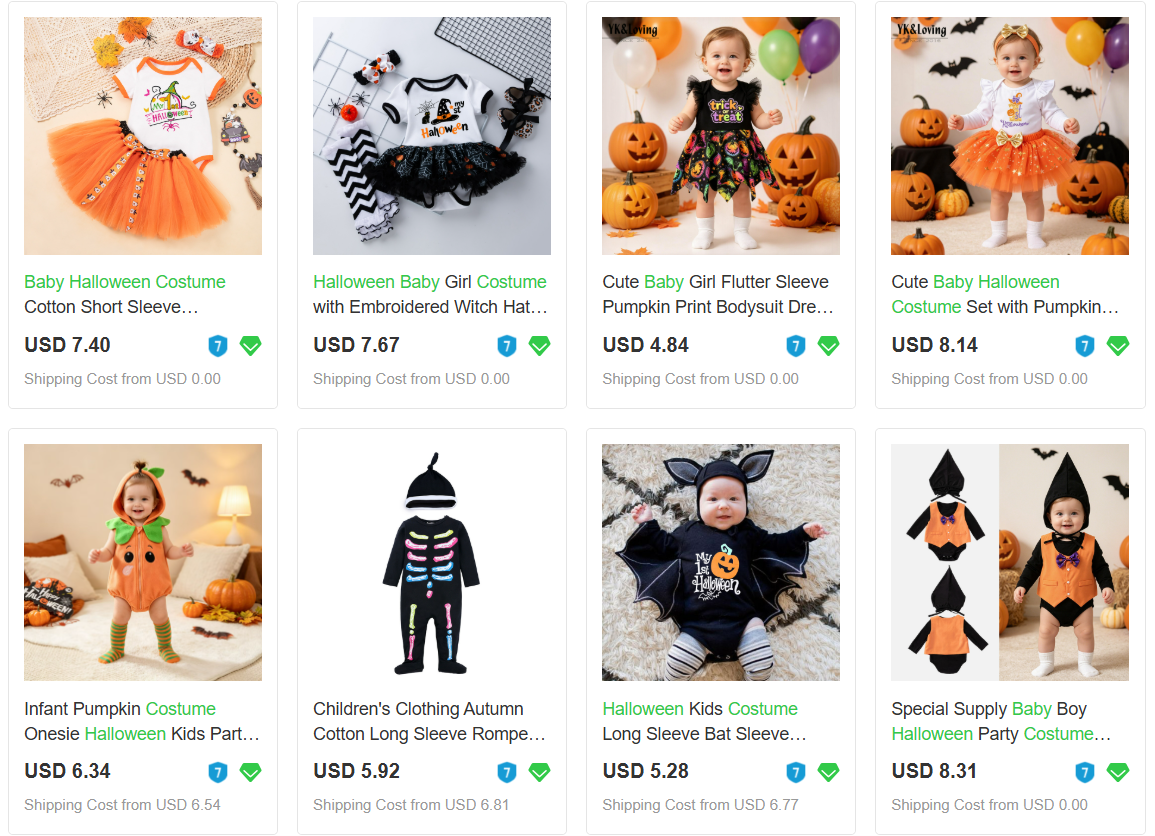
Request textile labels, fabric composition, size measurements, care instructions, small-parts review, and current photos of trims, snaps, hats, or accessories. Returns often come from late delivery, sizing mismatch, itchy fabric, missing accessories, or color differences. The primary safety check is small parts, drawstrings, and textile labeling, especially for costumes intended for infants and toddlers.
24. Baby Christmas Pajamas
Baby Christmas pajamas are high-risk seasonal sleepwear products that sell through family photos, matching sets, holiday gifting, and early winter campaigns. Buyers need clear size charts, delivery deadlines, fabric details, and care instructions before checkout. The marketing angle should be festive apparel with strict sizing and shipping clarity, not loose or unsafe sleep styling.
Request sleepwear documentation, fabric composition, care labels, tracking label information, size charts, real measurements, and photos of cuffs, zippers, or snaps. Returns often come from late delivery, tight fit, print quality, shrinkage, or unclear size conversion. The primary safety check is sleepwear flammability and labeling review for the selling market, with conservative product images and no unsafe sleep claims.
25. Baby Snowsuit
Baby snowsuits serve winter warmth, gifting, and seasonal photo demand in cold-weather regions. Buyers compare insulation, lining, zipper access, mittens or hood details, size range, and care instructions, so pages should show measurements and layered product photos. Marketing should focus on cold-weather outerwear clarity and supervised outdoor use, not guaranteed warmth in every climate.
Ask for textile documentation, insulation details, fastener quality, size charts, care labels, and photos of closures, hoods, and seams. Returns commonly involve incorrect size, bulky fit, warmth expectations, zipper problems, or fabric feel. The primary safety check is textile labeling and fit guidance, with caution around car-seat use because bulky outerwear may interfere with proper harness positioning.
Dropshipping Strategies for Baby Products
Winning in baby products dropshipping requires a parent-first framework. Build pages around who the product is for, when it is used, what it does not do, what is included, and what documentation supports the listing. Parents are not just buying a feature. They are buying confidence that the seller understands size, materials, care, age guidance, and realistic use.
For gift buyers, create separate shopping paths. Baby shower buyers need giftable packaging details, neutral color options, delivery cutoffs, and easy explanations of why an item is useful. Grandparents may need simple size selection, clear photos, and reassurance about returns. A strong collection can include starter feeding kits, nursery routine gifts, travel day bundles, and seasonal photo outfits.
Trust-first product pages convert without aggressive claims. Include measurements in both text and images, show what comes in the box, list compatible models where relevant, explain cleaning instructions, and add a compliance document request policy. If you have reviewed product-specific test reports, say that carefully. If you have not, do not hide it with vague badges or invented certifications.
User-generated content can be powerful, but set boundaries. Do not ask creators to show unsafe sleep setups, unattended bath use, loose blankets in cribs, overloaded stroller handles, improper carrier positioning, or medical claims. Give creators a safety brief before filming. Ask for demonstrations of packaging, texture, storage, sizing, cleaning, and everyday organization instead of risky usage scenes.
Returns prevention is especially important. Publish size charts for baby snowsuits, stroller footmuffs, baby carriers, baby high chairs, and baby sleep sacks. Use compatibility tables for stroller organizers, diaper bags, baby safety gates, and portable bottle warmers. Add pre-purchase checklists such as measure your doorway before ordering or compare your bottle diameter before checkout. A small amount of friction can prevent a costly return.
Bundles should solve a real routine. A feeding bundle might include baby bibs, suction bowls, and baby food feeders. A travel bundle might combine a diaper bag, stroller organizer, and stroller footmuff. A winter bundle might include a baby snowsuit and baby Christmas pajamas, with shipping cutoffs shown clearly. Bundles also help reduce reliance on one hero SKU.
Seasonal timing can make or break the calendar. Baby Halloween costumes, baby Christmas pajamas, baby snowsuits, and stroller footmuffs should be sourced, sampled, photographed, and listed well before peak demand. Build ad creatives early and set order deadline messaging before customers ask. Late seasonal deliveries can harm reviews even when the product itself is acceptable.
Finally, stay away from medical, absolute, or fear-based copy. Do not say prevents choking, treats colic, sterilizes, kills germs, guarantees sleep, childproof, or FDA approved unless the statement is documented and legally cleared. Safer copy is often more persuasive: easy to clean, sized for, designed for travel, helps organize, supports a bedtime routine, or made for caregiver convenience.
Top Baby Dropshipping Suppliers
A reliable supplier is the key to dropshipping business success. We’ve meticulously selected 7 baby products dropshipping suppliers for you:
1. EPROLO
For entrepreneurs entering the baby product market, EPROLO provides a comprehensive solution that goes beyond product sourcing. The platform provides a wide variety of products, including baby clothing, feeding essentials, and nursery items. Plus, all baby products on EPROLO undergo through strict quality control, meeting the needs of safety for today’s parents.
EPROLO has no minimum order quantity, allowing small businesses to test new markets. Its print-on-demand (POD) option provides an opportunity to personalize your baby goods, attracting customers seeking unique baby product.
The platform easily integrates with leading ecommerce platforms such as Shopify, WooCommerce, Amazon, TikTok, and more. This simplifies operations like inventory updates and order processing, enabling sellers to manage their store in one place. You can also take advantage of its AI sourcing and image search feature to find matching products and gain data-driven recommendations.
Strategically located warehouses across the US and worldwide, EPROLO ensures fast delivery to your customers. Its US warehouse enables customer reach over 10,000 dropshipping products beyond just baby products, allowing businesses to expand with ease. It also provides fulfillment services like FBA, FBM, and crowdfunding.
What sets EPROLO apart is they not only offer a wide range of baby-specific products but also provide a full service for sellers. With all benefits, EPROLO is a top pick for starting and growing dropshipping business.

2. AliExpress
Many dropshippers consider AliExpress a favorite platform due to its vast product selection and affordable pricing. Sellers can find everything in its categories, including both essentials and trending items for babies. With competitive pricing, it makes it easy for sellers to start their baby products dropshipping business.
AliExpress provides sellers with reliable buyer protection, so customers can dropship with confidence. Additionally, it’s built-in tool—AliExpress Dropshipping Center—helps identify products with high profit margin potential.
With AliExpress, you can access sellers from local and international locations. However, product quality varies between suppliers, which requires careful selection. Selling low-quality baby items not only harms your reputation, it may lead to legal trouble.
3. Parkerbaby
Parkerbaby is a US dropshipping supplier for baby products. It offers high-quality baby essentials, ranging from nursery items to baby care and accessories. With a focus on stylish design and functionality, their products are perceived as premium baby products to dropship.
The company lists some eco-friendly products in their offering, helping you to attract customers who value sustainability. For sellers who buy in bulk, Parkerbaby offers wholesale pricing, helping you maintain strong profit margins. Additionally, they have a fast processing time so that your orders can be shipped within 1-2 days.
Since ParkerBaby doesn’t have any direct integration with ecommerce platforms. You need to manually import products and forward dropshipping orders for smooth business operations.
4. Strictly for Kids
Strictly for Kids is a notable baby dropshipping business that focuses on providing high-quality educational furniture. It offers a curated product selection, including commercial playgrounds, equipment, toys, and more, aiming to diversify your product selection. The business prioritizes safety over everything; you can find proper dropshipping products without worrying about quality.
Products from Strictly for Kids are high-end, which can bring you high profit margins. In addition, the company provides excellent customer service, ensuring quick responses and reliable support to help sellers build trust with their customers.
Similar to ParkerBaby, the lack of integration capabilities requires sellers to manually manage their dropshipping store. Additionally, furniture is large and heavy, which can cost higher shipping costs, reducing your profit margins.
5. Stonz
For dropshippers looking to sell baby outdoor gear, Stonz is a great option to consider. Stonz is a niche dropshipping platform that specializes in quality baby footwear and apparel. Its products are designed with special features and are suitable for kids around 0 to 6 years old.
Stonz products are made with improved materials and fewer resources, reducing their carbon footprint. Additionally, these baby products have been awarded by the American Podiatric Medical Association, ensuring their quality and safety. With their commitment to sustainability and kids safety, you can rest assured to dropship baby products from Stonz.
However, some of their premium products charge at a higher price, which can eat into your profit margins. Also, the platform doesn’t offer integration with ecommerce platforms, so sellers need to manually import and manage dropshipping orders.

6. SaleHoo
Another popular choice is SaleHoo, which acts as an online supplier directory, connecting retailers to its vast supplier network. SaleHoo provides access to a vetted supplier database for a wide range of baby products, including apparel, toys, and care items. Its strict vetting process ensures supplier reliability, lowering the danger of working with unreliable providers.
Competitive pricing is also important; SaleHoo suppliers provide wholesale prices, guaranteeing that your products are competitively priced while maintaining healthy profit margins. In addition, the platform offers product research tools to help sellers grasp the latest trends and identify the best-selling products.
Access to SaleHoo’s service requires a paid subscription, but it provides suppliers’ detailed information such as contact information, product category, pricing structure, and more. When selecting SaleHoo suppliers, prioritize those with integration capabilities. It simplifies repetitive work such as product imports, inventory updates, and dropshipping fulfillment.
7. Temu
Known for its low prices and extensive product categories, Temu is an affordable option for dropshippers looking to sell baby products. You can find budget-friendly baby items like toys, clothing, and accessories, making it a great choice for starting a baby niche store.
Although Temu doesn’t officially support dropshipping, sellers can still dropship with Temu. By ordering products on the platform and shipping them directly to customers to fulfill the orders. Additionally, they support global fulfillment, perfect for sellers who want to scale their dropshipping business.
However, the product quality and shipping time vary between suppliers. Since most Temu sellers are primarily based in China, delivery time can take 1 – 3 weeks, potentially impacting customer satisfaction. As they don’t offer a quality standard, some sellers may provide non-compliant products. Selling these products can harm your reputation, so it’s important to carefully validate suppliers before working with them.

Baby Products Fulfillment and Scaling with EPROLO
Fulfillment affects trust as much as the product page. Baby shoppers often buy for a due date, birthday, holiday, daycare start, or trip. If the order arrives late or tracking is unclear, support volume rises quickly. A scalable baby products fulfillment plan should connect product sourcing, order sync, tracking, packaging expectations, and return rules before ad spend increases.
EPROLO streamlines baby product fulfillment across sourcing, custom inventory, and global shipping. Standard orders process in 2–3 business days with tracking, while a network of 26+ international warehouses supports source-and-stock and 3PL inventory models. To ensure smooth customer expectations, verify SKU-level preparation times and carrier routes in your dashboard before advertising delivery dates.
For baby products, compliance responsibility remains with the seller, importer, or domestic manufacturer as applicable. EPROLO may help source products and process orders, but sellers should request product-specific documents before listing regulated items. Keep a document folder by SKU that includes supplier invoices, product photos, test reports, CPCs where applicable, tracking label details, manuals, and communication records.
Scaling should follow a staged approach. Start with lower-risk accessories and apparel where documentation is clear. Sample products before launching ads. Add high-risk products only after compliance review, page review, and support scripts are ready. Once an item proves stable, consider stocking or dedicated inventory models where they fit your cash flow and risk tolerance. This keeps dropshipping baby products practical rather than chaotic.
Automation can reduce operational errors. Use order synchronization, clear SKU naming, variant mapping, and tracking updates so customers receive consistent information. The more variants you carry, especially sizes and seasonal prints, the more important accurate mapping becomes. A mislabeled size in baby clothing can cause returns, refunds, and disappointed gift buyers.
Conclusion
Now you know exactly how to start dropship baby products. In conclusion, it requires identifying profitable products, reliable suppliers, and effective marketing strategies.
Products like baby cribs bottles offer consistent sales, while suppliers like EPROLO, with their wide product selection and quality assurance, make it easier to get started. Strong marketing strategies help you stand out in a crowded market.
By following the right dropshipping strategies, you can achieve success in this growing industry. The baby products market continues to expand, offering exciting opportunities for sellers.
FAQs
What are some good baby products for dropshipping?
Good options include baby bibs, suction bowls, diaper bags, stroller organizers, baby Halloween costumes, baby food feeders, and baby snowsuits. These items can be explained clearly, bundled naturally, and photographed well. Higher-risk items such as smart baby monitors, baby carriers, baby sleep sacks, baby bath tubs, baby high chairs, baby thermometers, and portable bottle warmers require stronger documentation and more careful copy before listing.
What baby items sell the most?
Common high-interest categories include daily feeding tools, diaper caddies and changing accessories, baby Christmas pajamas, nursery routine items, stroller gear, and swaddle blankets. Exact sales volume depends on platform, season, pricing, creative quality, and fulfillment reliability. Instead of assuming one universal winner, test products with clear use cases and strong sourcing documentation.
What are some high-demand baby products?
High-demand product themes often include mess control, sleep routine support, travel organization, compact living, seasonal apparel, and practical gifting. Examples include baby bibs, baby sleep sacks, white noise machines, diaper bags, stroller organizers, baby Christmas pajamas, and swaddle blankets. Demand should always be balanced against compliance requirements, return risk, and whether the supplier can document the exact SKU.
What's trending in baby products?
Current trend directions include neutral color palettes, compact baby bath tubs for small homes, practical gift bundles, baby Halloween costumes, travel-friendly feeding accessories, and routine-focused nursery electronics. The safest way to use trends is to pair them with precise product specs, conservative claims, and clear shipping timelines. Do not chase a viral baby product if documentation, instructions, or support quality are weak.
Related reading
Written by
Inverse is a skilled Google SEO operations expert , with deep expertise in technical site audits, content clustering, and keyword strategy. Excelling at search engine visibility and organic traffic optimization, Inverse consistently delivers actionable insights across key search channels. This strategic approach helps e-commerce brands build sustainable organic traffic and expand their digital footprint effectively.
Editorial note:
This article is for general e-commerce education and does not replace legal, product safety, customs, medical, or regulatory advice. Baby product rules vary by market and product type. Sellers should confirm current requirements with qualified professionals and official agencies before listing, importing, or advertising any product.